WordPress is dead to me.
Why I’m rebuilding my websites with AI-assisted development.

Travis Street · 3 min read
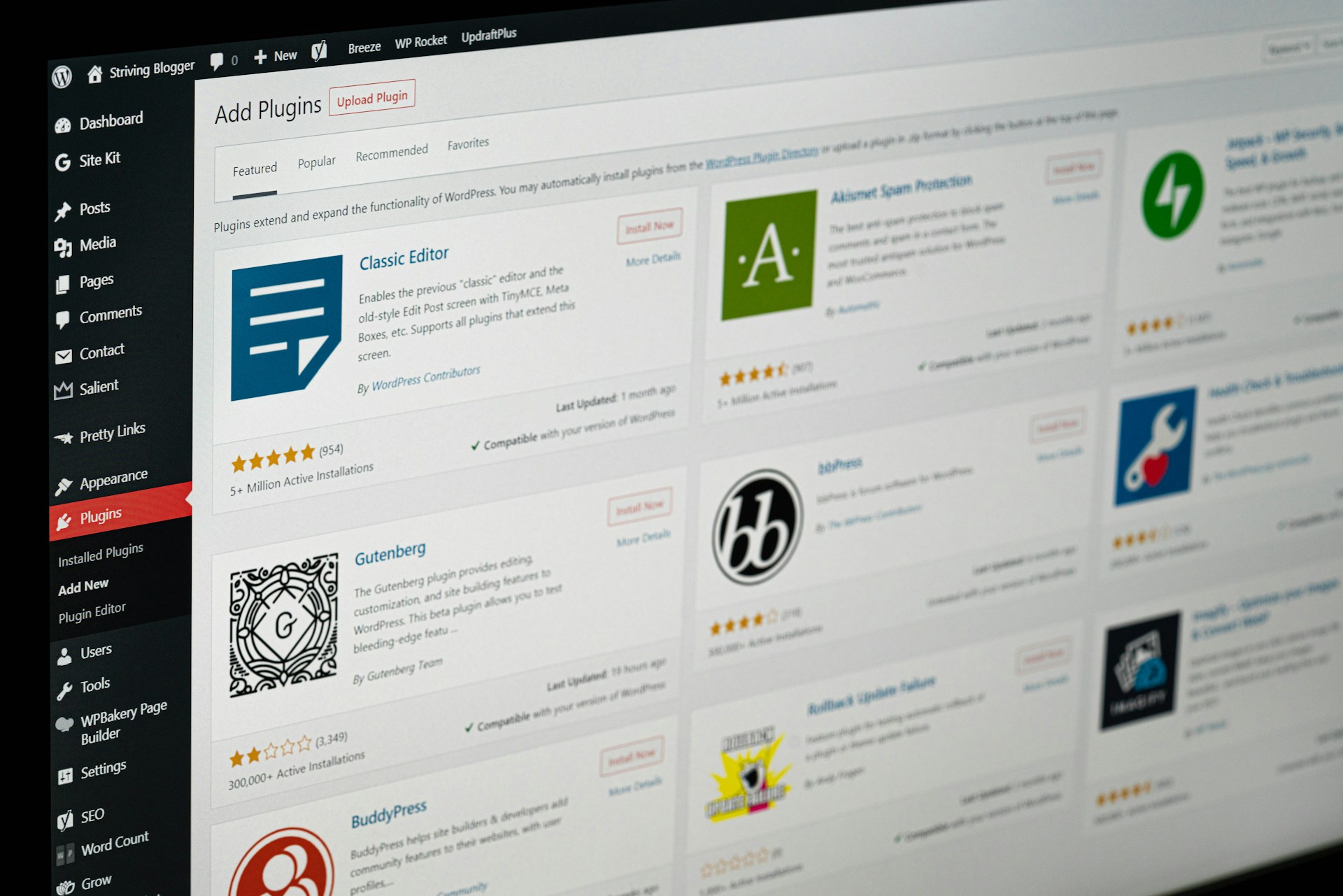
I’m retiring all of my WordPress sites, about eight of them, and rebuilding them. No more plugin updates. No more security patches for plugins I installed in 2019 and forgot about. When I posted that on LinkedIn this week, the comments filled up fast, so I want to explain what I actually mean, because it isn’t “WordPress is bad”.
Why I used WordPress in the first place
WordPress solved real problems. You could get a decent-looking site up without building one from scratch. You could pick a theme, add a plugin for every missing feature, and let non-technical people write and publish without touching code. For a long time, that was the sensible choice for most small business websites, including mine.
The trade-off was maintenance. Every plugin is somebody else’s code running on your site. Every update might break something. Every abandoned plugin is a security risk. Across several sites, I was spending a surprising amount of time just keeping things running rather than improving them.
What changed
The thing WordPress mainly saved me was the cost of building. Templates and plugins existed because building a custom site was slow and expensive.
That’s no longer true for me. With AI-assisted development, building exactly the site I want, with only the features I actually need, is now faster than configuring a theme and a stack of plugins to approximately do it. Everything lives as files I can read, change and version-control. In my case, everything lives as an artefact in Claude Code. What’s the point of a plugin ecosystem when I can just describe the feature and have it?
The site you’re reading this on is the first example. It used to be WordPress. I rebuilt it with Claude Code and it’s now a small set of plain PHP files: no CMS, no database, no plugins. Articles are files in a folder. The newsletter sign-up, the confirmation emails and the community guide all run on code that does exactly what I need and nothing else.
What I gain
- Far less surface area. No plugins means no plugin vulnerabilities and no update roulette.
- Speed. The site is fast because there’s nothing on it I didn’t ask for.
- Control. When I want something changed, I change it. I’m not hunting for a plugin that does 80% of it.
- Everything in one place. Content, design and logic are all files, so the whole site can be backed up, reviewed and rolled back.
What I give up, honestly
Custom code isn’t maintenance-free. It’s just a different kind of maintenance. My code still needs to be secure, and if something breaks, there’s no plugin author to blame. I’m responsible for it.
The thing I’ll genuinely miss is SEOPress. It made the SEO side of WordPress easy. But it’s no longer necessary: if you give Claude Code what it needs, like your target keywords, it builds the titles, descriptions, structured data and sitemaps in from the start.
I also lose the friendly editing screen. That doesn’t bother me, because I’m happy working with files and AI tools. For a team with several non-technical writers, it would matter a lot. You can solve it, with a lightweight editor, a headless CMS or a simple publishing workflow, but you do have to solve it.
When WordPress is still the right choice
If you have lots of people publishing content, need a mature editorial workflow, rely on specific plugins with no easy replacement, or simply don’t have anyone comfortable maintaining custom code, WordPress is still a perfectly sensible choice. Millions of businesses run happily on it.
My argument is narrower: for the kind of sites I run, small product and personal sites where I’m the main editor, the economics have flipped. Building bespoke used to be the expensive option. Now it’s often the cheaper one.
The bigger point
This isn’t really about WordPress. It’s about a whole category of tools that existed because building software was expensive. Templates, page builders, no-code tools and plugin marketplaces all made sense when custom development cost a fortune. As that cost falls, it’s worth asking which of those tools you still genuinely need, and which ones you’re just maintaining out of habit.
Want shorter ideas between issues? Follow me on LinkedIn, Bluesky and X.