Start here · Chapter 1
Introduction
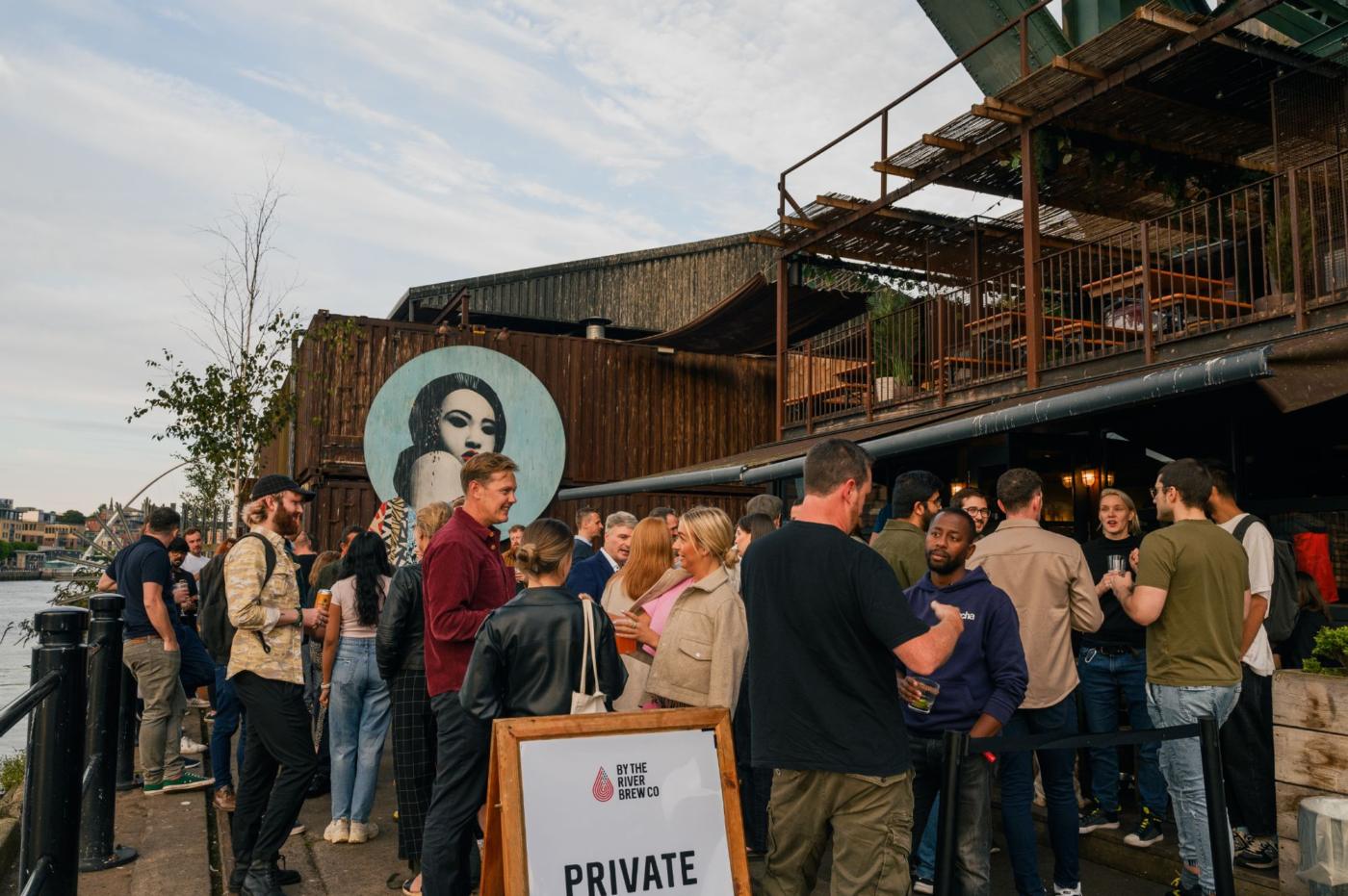
A community is a group of people who keep coming back because the room is useful to them. This guide is how I start and run them, based on the three I run right now.
I’ve been organising people around a shared interest for most of my working life, long before I thought of it as a skill. In Seoul I founded an online arts magazine and led an artist collective. Back in England I started running tech events in the North East. Today I run three communities, and each one has a different shape.
- Silicon Mingle is a series of free, in-person tech events in Newcastle and Manchester. More than 2,000 builders have joined.
- Founder Clinic is a small, private WhatsApp group for independent software founders. It started free and is now paid.
- Claude Community Newcastle runs hands-on workshops for people building with Claude. I host it as a Claude Community Ambassador.
Between them they cover the three formats most people start with: regular events, a small peer group, and practical workshops. What I’ve learned from running them is all in here.
What this guide is for
This is for anyone who wants to start a community and keep it going: a local meetup, a founder circle, a workshop series, or a group chat that turns into something more. It’s about small, useful rooms that last. It won’t teach you to grow a Discord to fifty thousand members.
How to read it
Every page starts with a TLDR and ends with a Do this now step you can finish in under an hour. Read it in order if you’re starting from nothing. If you already run something, jump to whatever matches the problem you have this week.
Two interactive tools sit alongside the chapters: a format picker, to help you choose what kind of community to run, and a first-event checklist you can tick off as you go.
Write one sentence: who do you want in the room, and what will they get from coming back? Keep it somewhere you’ll see it. You’ll sharpen it in the next few chapters.